

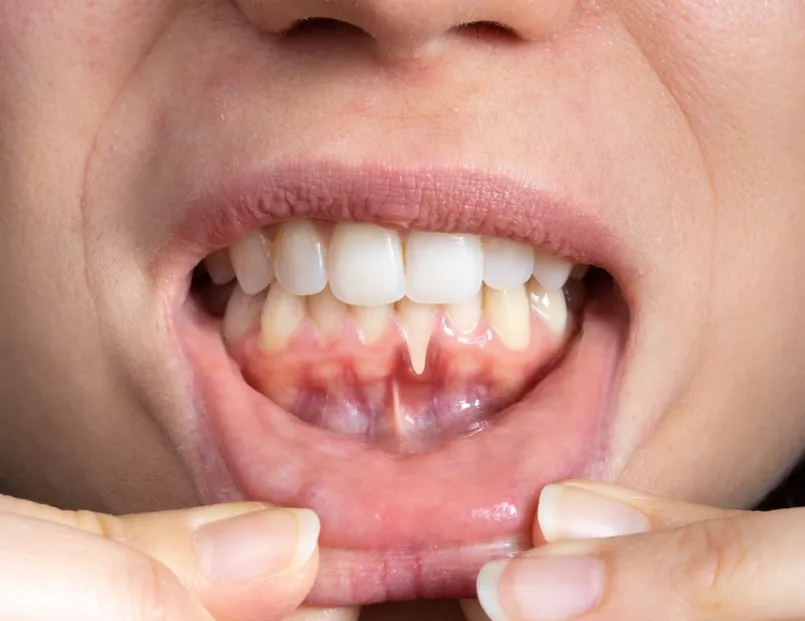

Many people don’t realize that gum health plays a major role in overall wellness. Periodontal disease—often simply called gum disease—is the leading cause of tooth loss, affecting roughly one in three adults. When the gums become irritated and inflamed, harmful bacteria begin to damage the tissues and bone that hold the teeth in place.
Gum disease develops when plaque accumulates along the gum line. Over time, the bacteria inside this plaque release toxins that irritate the gums and weaken the fibers that keep your teeth anchored. As these fibers break down, small pockets form around the teeth, making it easier for bacteria to settle in and cause further damage.
How to Tell If You Have Gum Problems
The earliest and most common sign of gum disease is persistent inflammation, which often leads to bleeding when brushing. Other symptoms include receding gums, unpleasant breath, and teeth that feel loose. While these issues tend to appear after the age of 30, younger people can experience a milder form known as gingivitis.
If you notice any of these symptoms, it’s essential to visit a dentist or periodontist who can diagnose the condition and recommend appropriate treatment.
The Mouth-Heart Connection
Beyond the risk of losing teeth, gum disease can have serious implications for heart health. Researchers have found that bacteria from infected gums can enter the bloodstream, contributing to clot formation and narrowing arteries. This increases the risk of heart attacks and strokes—making gum care far more important than just preserving your smile.
Simple Steps to Prevent Gum Disease
The good news is that preventing gum disease is surprisingly manageable. The goal is to keep plaque under control:
- Brush thoroughly twice a day. Use gentle, short strokes on all surfaces of your teeth, brushing downward on the upper front teeth and upward on the lower front ones. Spend at least two minutes brushing each time.
- Floss daily. Flossing removes plaque from between the teeth. Some bleeding is normal if you haven’t flossed regularly, but it should improve within a few days. If traditional flossing isn’t your preference, try an interdental brush.
- Rinse after meals. Swish with water or a mild mouthwash to clear away lingering food particles. Avoid overusing strong mouthwashes, as they can irritate your mouth.
- Visit your dentist regularly. Professional cleanings every six months can prevent plaque buildup and help detect gum issues early.
Support Gum Health with Good Nutrition
Your diet has a major impact on oral health. Limiting sugary snacks and drinks helps stop bacteria from producing acids that weaken enamel. Focus on foods rich in vitamins C, A, and E, which reduce inflammation and support gum repair. Adequate calcium and vitamin D are also essential for strong bones around the teeth; many people see improvements in gum bleeding and stability with consistent supplementation.
Taking care of your gums is one of the simplest ways to protect not only your smile but also your heart. With consistent oral hygiene and balanced nutrition, you can maintain healthier teeth and reduce your risk of serious health complications.