


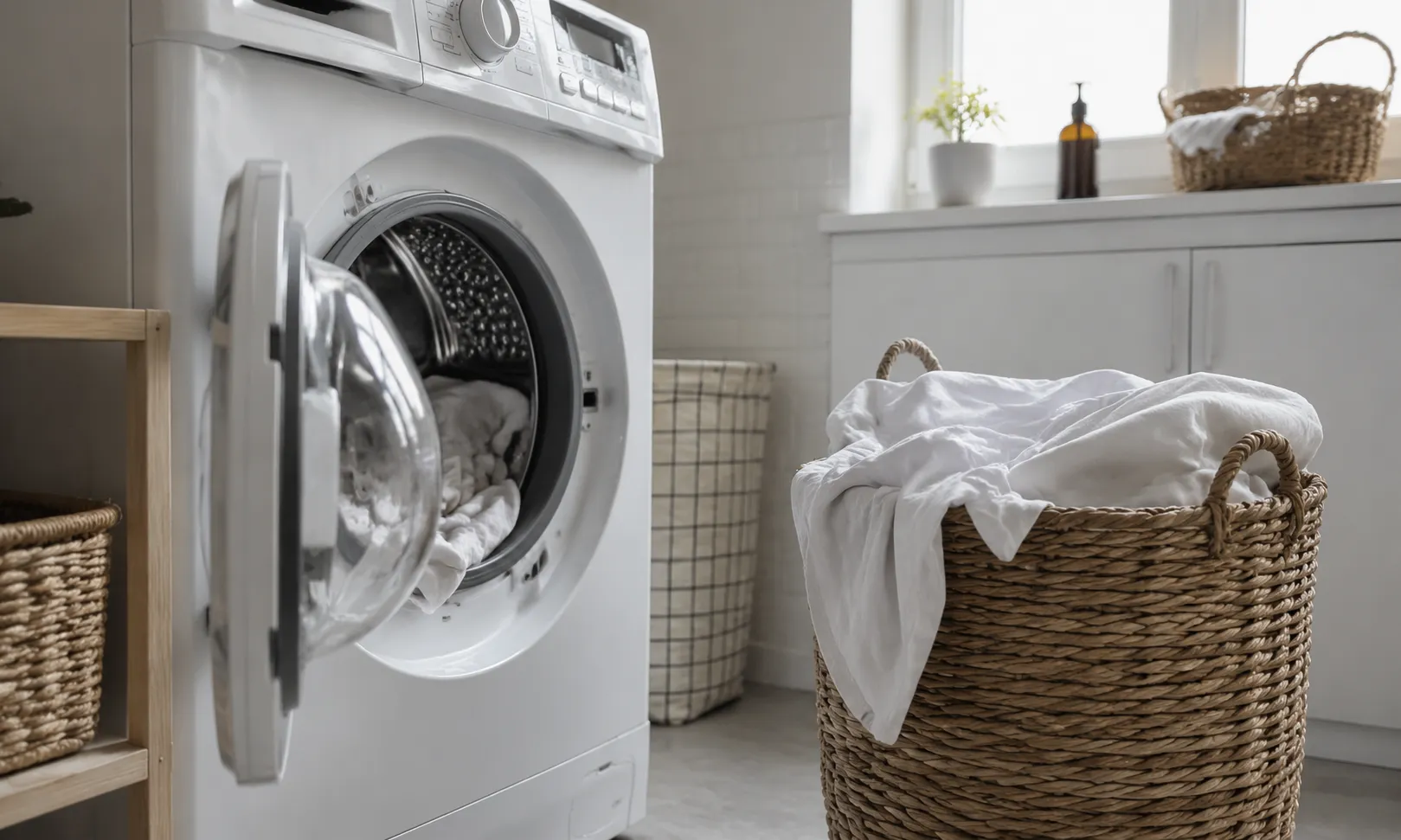

Cotton is honest. It doesn’t pretend to be something it’s not. It breathes when you’re hot, absorbs when you’re sweaty, and softens with every wash until you make one wrong move and suddenly your favorite shirt fits your little cousin. Understanding how to care for 100% cotton isn’t just about following a label. It’s about understanding the material itself, respecting what it is, and working with its nature instead of against it.
Why 100% Cotton Behaves Differently From Blends
Walk into any clothing store and you’ll find racks of cotton-polyester blends marketed as “easy care.” There’s a reason for that phrasing. Pure cotton is not easy care it’s rewarding care. The fiber is entirely natural, made from the seed hairs of the cotton plant, which means it responds to heat, water, and agitation the way a living material would: dramatically.
Cotton fibers swell when they get wet. This is what gives the fabric that satisfying, worn-in softness over time. But it also means the fiber is vulnerable. Apply too much heat, too fast, and those swollen fibers lock into a new, smaller shape. That’s not a myth about shrinkage it’s basic textile science. A shirt that’s100% cotton can shrink anywhere from 3% to 20% depending on how it was pre-treated before purchase and how aggressively you wash it.
Blended fabrics dodge this problem because synthetic fibers like polyester don’t absorb water the same way. They act as a kind of structural anchor, keeping the cotton fibers from contracting too far. But that blend also reduces breathability, changes the hand feel, and means the garment won’t age as beautifully. Pure cotton is worth the extra attention.
Reading the Care Label and Knowing When to Ignore It
Care labels are a starting point, not a gospel. Manufacturers write them conservatively, designed to protect the broadest range of consumers from the worst possible outcomes. That means the label on your cotton shirt might say “cold wash only” not because warm water would destroy it, but because the manufacturer wants zero liability for the guy who throws everything into a hot cycle.
That said, some labels deserve real respect. If a cotton garment has been pre-washed and pre-shrunk, the label will often say so. If it hasn’t especially on cheaper garments or imported basics assume it will shrink and plan accordingly. A tag that says “dry clean only” on a cotton item is usually there to protect the construction (think structured blazers or embellishments) rather than the fabric itself.
Where labels genuinely matter is with dye. Dark cotton, especially black or deep navy, is notorious for color bleeding. The label’s instruction to “wash with like colors” exists for a very real reason. Ignore it once and you’ll have a pink white t-shirt you didn’t ask for.
Water Temperature: The Decision That Changes Everything
Here’s the conversation most people never have: what exactly are you trying to accomplish with this wash?
Hot water anything above 130°F (54°C) sanitizes. It kills bacteria, dust mites, and most germs. It’s the right choice for bed sheets, bath towels, and underwear. But it’s also the fastest route to shrinkage and color fade. If you’re washing a cotton garment you wear against your skin in normal circumstances, hot water is almost never necessary.
Warm water, around 90–110°F (32–43°C), hits a reasonable middle ground. It cleans effectively, handles moderate soil, and is generally safe for most pre-washed cotton garments. This is the everyday workhorse setting.
Cold water is underrated. Modern detergents are formulated to work at low temperatures, and cold water is genuinely sufficient for lightly soiled clothing. It preserves color, minimizes shrinkage, and uses less energy. For dark cotton especially, cold is almost always the better call.
The mistake most people make is defaulting to whatever temperature they’ve always used, without thinking about the specific garment in the drum that day. Cotton doesn’t require a one-size-fits-all approach.
Detergent, Fabric Softener, and What Actually Matters
A gentle, pH-neutral detergent is the right choice for most cotton garments. Harsh detergents with high alkalinity can weaken cotton fibers over repeated washes, leading to that thin, worn-out look that happens before you expected it. You don’t need anything special just avoid anything marketed as “ultra concentrated” for heavy-duty loads unless you’re actually dealing with heavy-duty stains.
Fabric softener is where opinions diverge. Softeners work by coating fibers with a thin layer of lubricant, which gives clothing that temporarily silky feel. For cotton towels and sheets, this is actually counterproductive it reduces absorbency over time. For clothing, it’s a personal call, but worth knowing that the softness you’re feeling is a coating, not the cotton itself changing.
If you want cotton to stay soft naturally, the answer is simpler: don’t over-dry it. More on that shortly.
One thing that does matter significantly: never use chlorine bleach on colored cotton. Even diluted, it degrades the dye bonds and weakens the fiber. Oxygen-based bleach is a safer option for whites if you need brightening.
The Spin Cycle and Why Most People Over-Spin
This gets overlooked almost entirely. The spin cycle removes water from your laundry by centrifugal force, and a higher spin speed means less drying time which sounds like a win. For cotton, though, high-speed spinning creates mechanical stress on the fibers while they’re wet and swollen, which is exactly when they’re most vulnerable.
A 1400RPM spin isn’t doing your cotton t-shirts any favors. For everyday cotton garments, a medium spin of 800–1000 RPM is plenty. The clothes come out slightly wetter, but they dry fast enough, and the fabric holds up significantly better over dozens of washes.
Dress shirts, in particular, benefit from a lower spin speed. High-speed spinning is what causes those deep, set-in wrinkles that require heavy ironing to remove. Lower spin, shake out the shirt when it comes out, and hang it immediately you’ll often find you need much less ironing than you thought.
Drying: The Stage Where Most Damage Actually Happens
If the wash cycle is where people make mistakes, the dryer is where they make catastrophic ones. Heat is the enemy of cotton’s shape. Tumble dryers work by blowing hot air through spinning laundry, which is efficient but brutal on natural fibers.
The single most effective thing you can do to extend the life of your cotton clothes and prevent shrinkage is to remove them from the dryer while they’re still slightly damp. Cotton continues to dry as it hangs, and finishing the process at room temperature lets the fibers relax into their proper shape rather than contracting under heat stress.
If you need to use a dryer, the low-heat or air-dry setting is always preferable to high heat. The trade-off is longer drying time, but the payoff is garments that retain their fit, color, and softness far longer. For items you genuinely care about a well-cut Oxford shirt, a quality crewneck air drying flat or on a hanger should become the default.
Line drying in direct sunlight is effective but comes with a caveat: UV exposure bleaches cotton over time. Dark garments dried repeatedly in full sun will fade faster than their machine-dried counterparts. Inside or in shade works better for dark colors.
Handling Stains on Cotton Before They Set
Cotton’s absorbency the very quality that makes it comfortable also makes it a prime target for stains. The fiber draws liquid in quickly, which means the window for easy stain removal is shorter than it is with synthetics.
Cold water first, always. Hot water on a protein-based stain (blood, sweat, dairy) sets it permanently by denaturing the proteins and bonding them to the fiber. Flush the stain with cold water, blot rather than rub, and treat it before the garment goes into the wash.
For oil-based stains, a small amount of dish soap or a dedicated pre-treat product applied directly to the spot before washing is generally more effective than any amount of aggressive scrubbing. Give it a few minutes to penetrate, then wash as normal.
The worst thing you can do with a stain is throw the garment in the dryer before confirming the stain is gone. Heat will set whatever remains, making subsequent removal nearly impossible.
Cotton rewards the people who slow down. Not obsessively, not with elaborate rituals just a little more attention than you’d give a synthetic fabric that was engineered to forgive you. Treat it right, and a good cotton piece will outlast a dozen cheaper alternatives.


